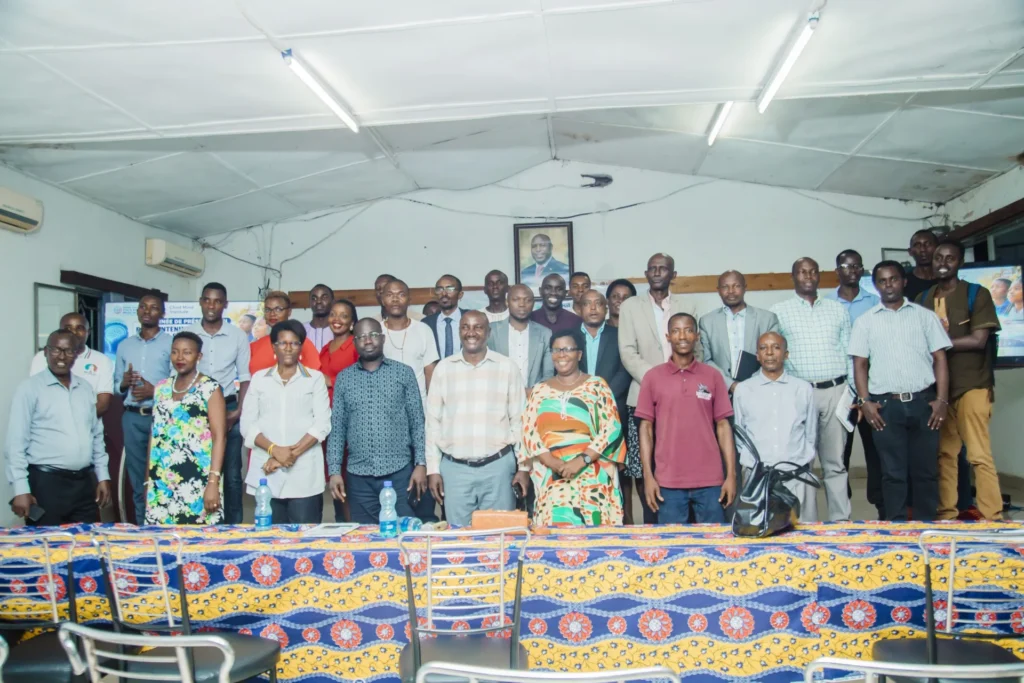
Ten journalists from public and private media, namely Shima FM based in Rumonge, Journal le Renouveau, Bonesha FM, Indundi Culture, Radio Télévision Isanganiro (RTI), RTNB, Umuco based in Ngozi, and Star FM based in Gitega, who completed training in mental health reporting presented their media productions on Wednesday, October 14, 2026 marking an important step toward raising public awareness of mental health challenges affecting children and adolescents in Burundi.
The presentation session, held at the Maison de la Presse du Burundi (MPB), showcased journalistic content developed through a project led by Avit Ndayiziga, a journalist at Umuzi News and the project coordinator in collaboration with Global Center for Child and Adolescent Mental Health, Child Mind Institute and the Carter Center, which are centers based both in the United States of America.
The initiative seeks to strengthen journalists’ capacity to report responsibly on mental health while encouraging public dialogue and reducing stigma surrounding psychological and developmental disorders among young people.
The event brought together journalists and media stakeholders to review the productions, exchange experiences and highlight the media’s role in promoting a better understanding of mental health issues in Burundian society.
Turning Training into Impactful Journalism
The ten graduates presented media productions developed following specialized training in mental health reporting. The initiative aimed to equip journalists with the knowledge and practical skills needed to cover sensitive health issues accurately, ethically and with greater attention to the experiences of affected children, adolescents and their families.
Through their stories, the journalists sought to address challenges that are often misunderstood or insufficiently discussed in public, including schizophrenia, drug addiction (toxicomania), intellectual disability, early developmental disorders, autism and blindness, post-traumatic stress disorder, as well as other psychological disorders.
The productions also offered an opportunity to examine how families, schools, communities and health professionals can contribute to identifying difficulties early and ensuring that young people receive appropriate support.
By transforming their training into journalistic content, the graduates demonstrated how the media can help bridge the information gap between mental health professionals and the wider public.
Children and Adolescents at the Centre of the Initiative
Children and adolescents are a particularly important audience for mental health awareness initiatives because psychological well-being plays a significant role in their development, education, relationships and overall quality of life.
However, mental health concerns among young people can be overlooked or misunderstood. Fear of discrimination, limited information and misconceptions about psychological disorders may prevent affected children and their families from seeking appropriate assistance.
The media productions presented in Bujumbura seek to contribute to changing this situation by providing accessible information and encouraging more informed conversations about mental health.
Responsible reporting is particularly important when covering children and other vulnerable groups. Journalists must protect their privacy, obtain appropriate consent, avoid stigmatizing language and ensure that their stories do not expose individuals to discrimination or further harm.
The initiative therefore highlights the importance of combining professional journalism with sensitivity, accuracy and respect for human dignity.
Umuzi News Strengthens Mental Health Reporting
The project reflects the importance of investing in journalists’ professional development to improve public-interest reporting.
Specialized training can help journalists move beyond superficial coverage and produce stories that explain complex issues, amplify the experiences of affected communities and provide audiences with reliable information.
The presentation session also provided an opportunity to assess the work of the ten graduates and highlight the potential impact of their productions on public understanding of mental health.
By supporting journalists in developing specialized reporting skills, initiatives of this kind can contribute to a more informed public debate and encourage greater attention to the mental well-being of children and adolescents.
The Media as an Ally in Fighting Stigma
Beyond informing the public, journalists can play an important role in challenging stereotypes and promoting understanding of mental health conditions.
Accurate reporting can help communities recognize that mental health difficulties should not be grounds for exclusion or discrimination. It can also encourage parents, teachers and caregivers to pay attention to changes in children’s behaviour and emotional well-being and to seek guidance from qualified professionals when concerns arise.
The media can further contribute by highlighting available support services, sharing evidence-based information and providing a platform for discussions involving health professionals, educators, families and policymakers.
For Burundi, strengthening this type of reporting offers an opportunity to bring mental health issues into public discussion and encourage a more supportive environment for young people.
From Training to Lasting Change
The presentation of the ten journalists’ productions represents a key stage in the project coordinated by Avit Ndayiziga and Umuzi News.
The next challenge is to ensure that these media contents reach broad audiences and generate meaningful conversations about the mental health needs of children and adolescents.
Their publication and dissemination through different media platforms could help families access reliable information, encourage communities to challenge harmful misconceptions and promote greater awareness of the importance of early support.
Ultimately, the initiative demonstrates how journalism can contribute to social change when reporters are equipped with the skills to investigate sensitive issues, tell human-centred stories and communicate information responsibly.
As Burundi continues to address public health and social development challenges, the work of these ten journalists offers an important reminder: raising awareness about children’s and adolescents’ mental health begins with reliable information, responsible storytelling and the willingness to break the silence.
Aloys Nahigombeye